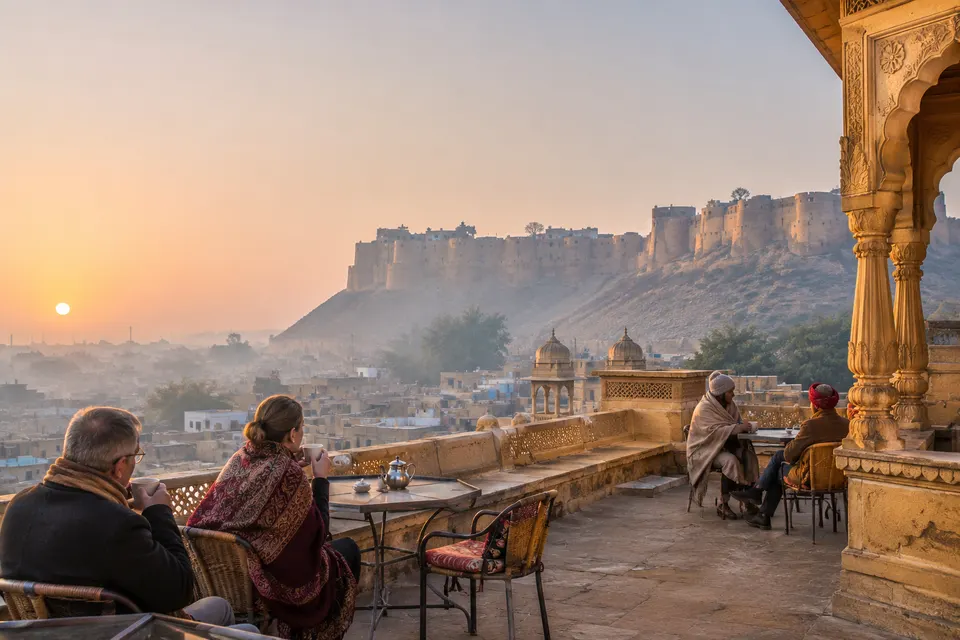
Winter
November to February
Cool, dry and sunny across most of the north. This is peak season for the Golden Triangle, Rajasthan and Udaipur.
The short answer: for most luxury journeys, the best time to visit India is October to March. The weather is kind, the skies are clear and the classic circuits of Delhi, Agra, Jaipur and Udaipur are at their most enjoyable. But India is a country of many climates, and the right month depends on where you want to go and what you want to do.
India has three broad seasons, though they behave differently across the country.
This guide explains how the seasons work, what each region offers and how to choose the right timing for your private India tour.
Because the Himalayas, the south and the desert each follow their own rhythm, one “best month” never fits the whole country.
November to February
Cool, dry and sunny across most of the north. This is peak season for the Golden Triangle, Rajasthan and Udaipur.
March to June
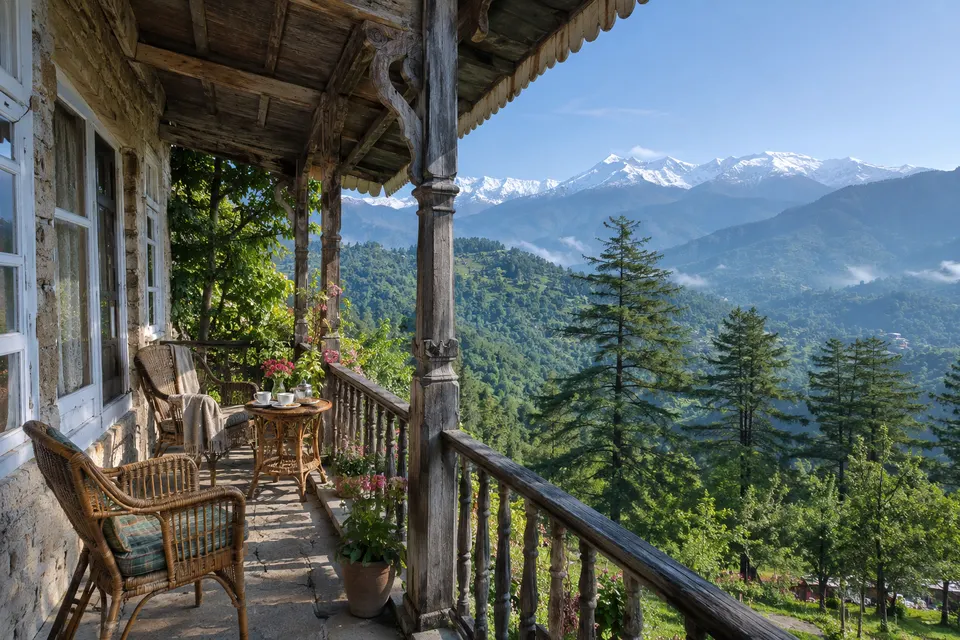
Hot in the plains, especially in Rajasthan, Delhi and Agra from April onwards. It is also the time when mountain destinations open up and tiger safaris offer strong sightings.
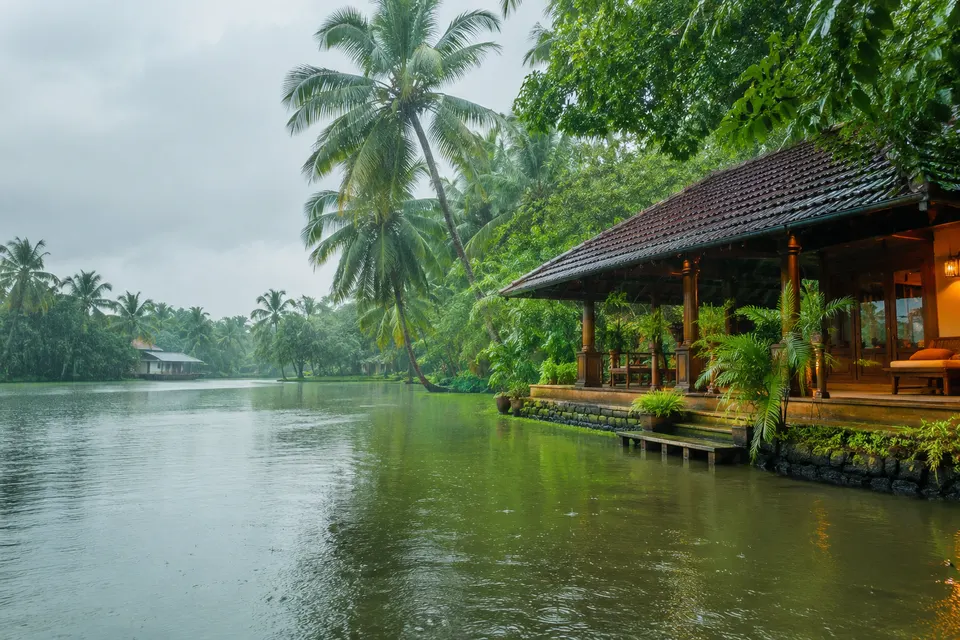
June to September
Rain arrives from the south and moves north. Landscapes turn green, crowds thin and rates often fall. Some regions are better suited to this season than others.
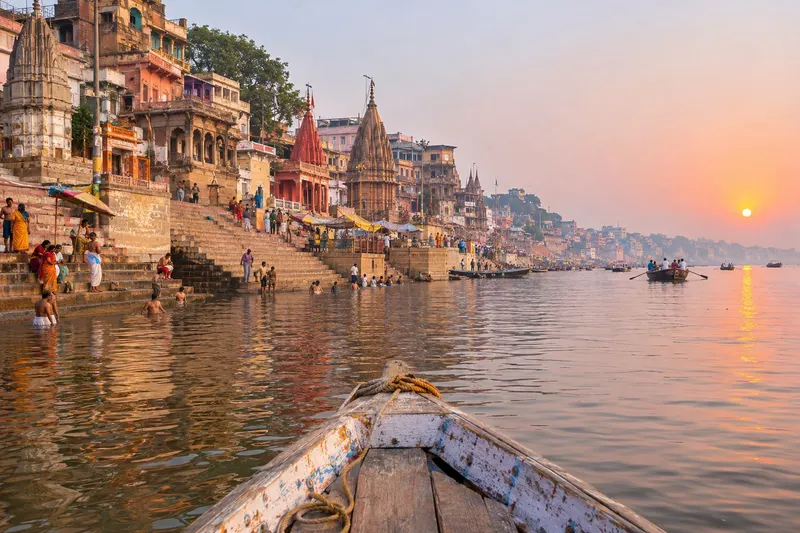
Post-monsoon India is fresh and clear. Temperatures are warm but comfortable, and this is one of the best times for Rajasthan, Delhi, Agra and Varanasi. It is also festival season, with Diwali falling in October or November depending on the year. Festivals add colour and atmosphere, but they can also mean busier hotels, so book early.
Peak season. Days are bright and pleasant across the Golden Triangle, Rajasthan and Udaipur, and Kerala and Goa are at their best. Mornings and evenings can be cold in Delhi and the desert, and early fog can affect flights and trains in north India. Plan some flexibility into travel days and book palace hotels well ahead.
Still excellent for Rajasthan and the Golden Triangle, with warming days and lovely light. Spring brings Holi, the festival of colours, in March. Wildlife viewing improves as the weather warms and animals head to water.
The plains become very hot, and Rajasthan, Delhi and Agra can pass 40°C (104°F). If you do travel in these months, sightseeing is best done early in the morning, with the middle of the day spent at your hotel. This is a good window for tiger safaris and hill retreats in the Himalayan foothills.
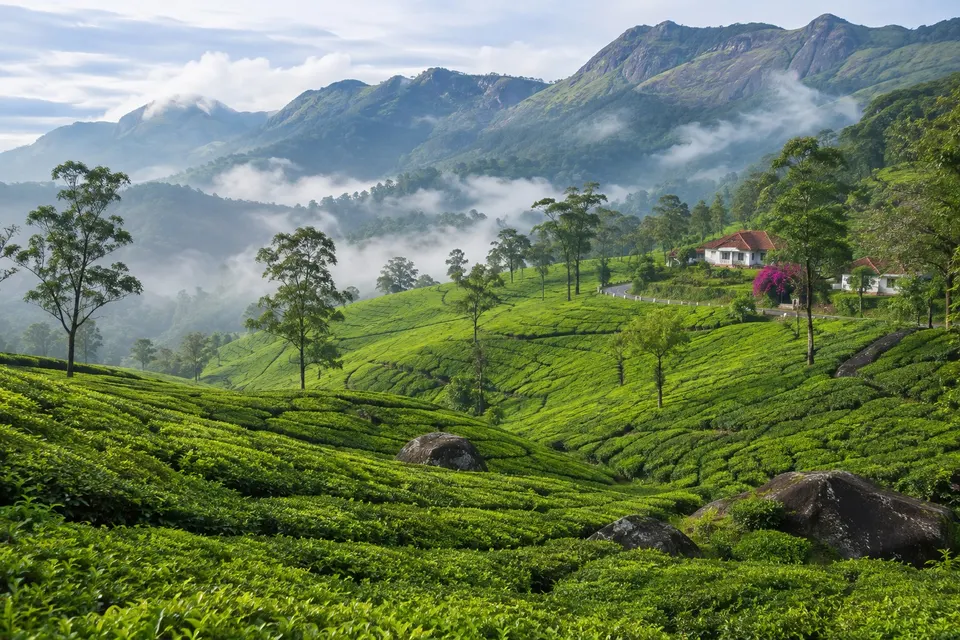
The monsoon season. Much of India is wet, but it suits certain journeys well. Kerala is a classic choice for Ayurveda and wellness retreats in the rains, and parts of the high Himalayas, including Ladakh, are accessible in the summer months when mountain roads open. Many national parks close for the monsoon, and some roads and flights can be disrupted, so plan with care.
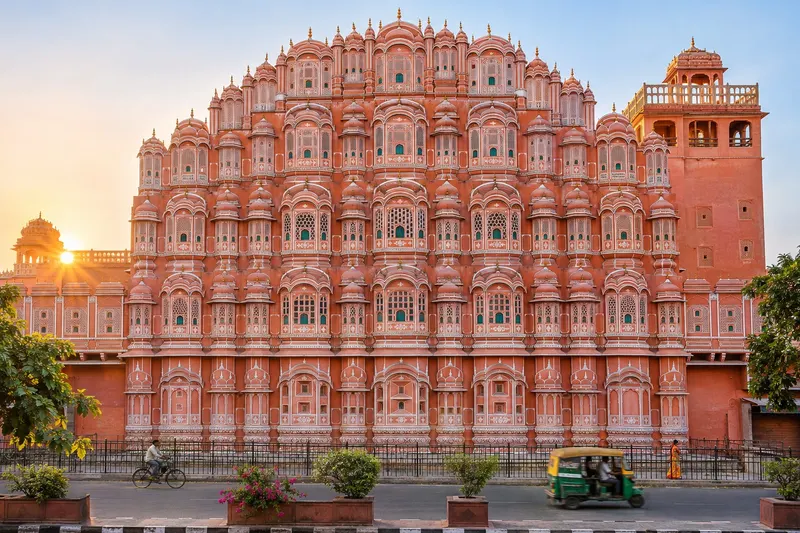
October to March
Hot from April; foggy mornings are possible in winter.
Golden Triangle journey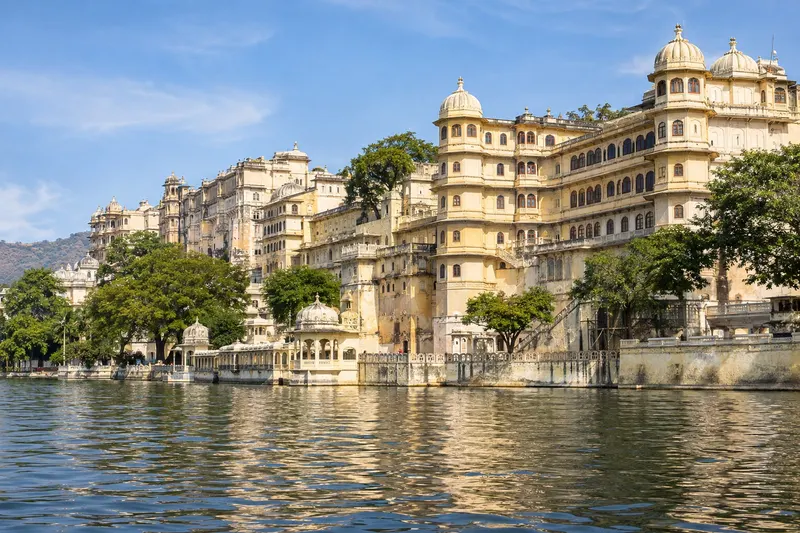
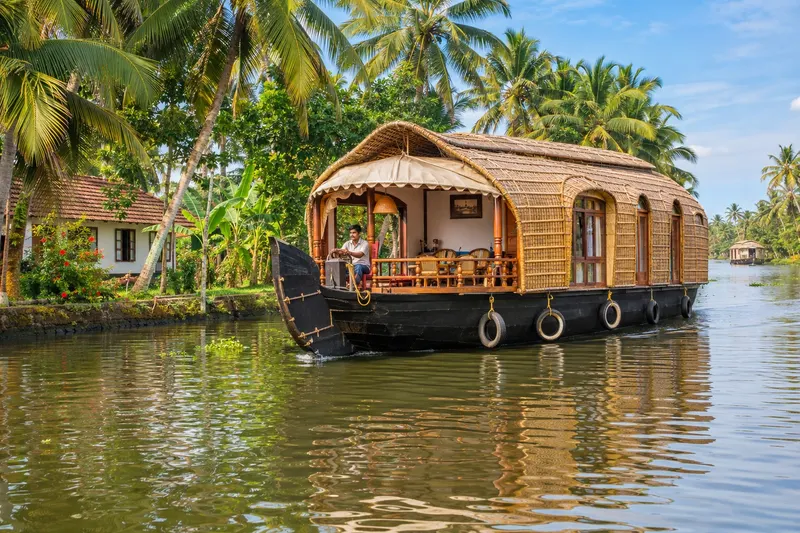
November to February (also monsoon for wellness)
Humid in summer; rains from June.
Explore Kerala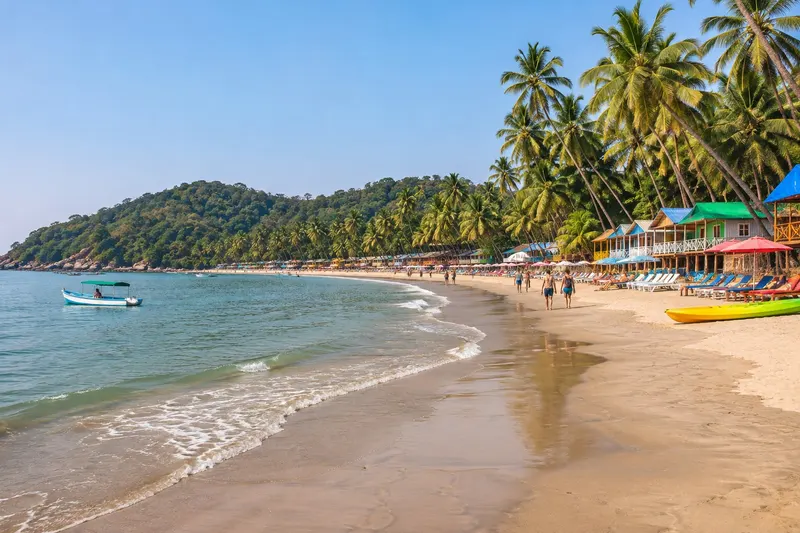
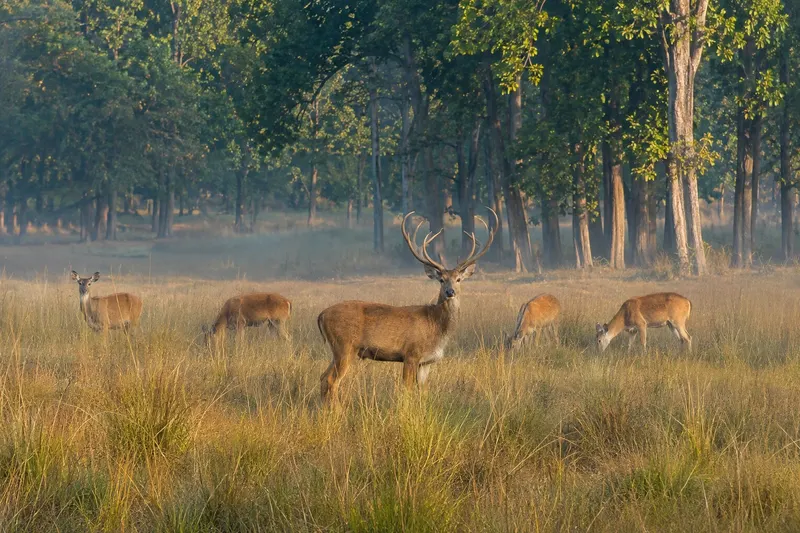
October to April, depending on the park
Many parks close in the monsoon.
Explore Ranthambore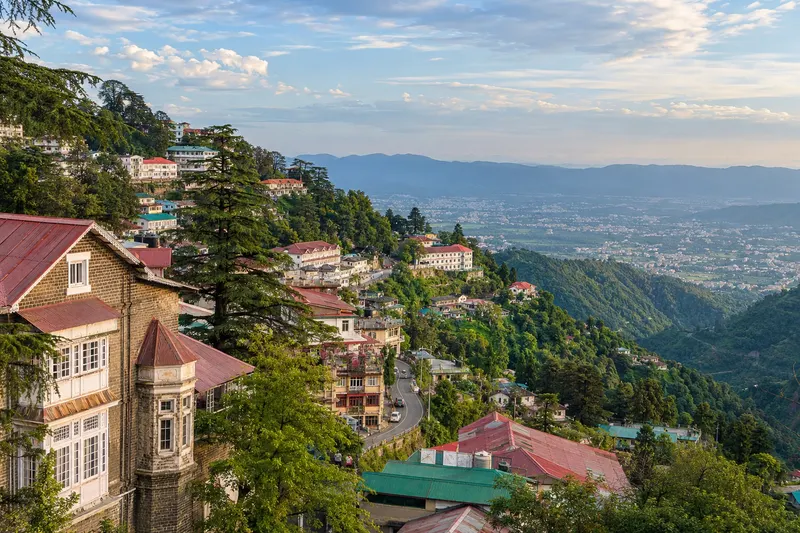
March to June, and autumn
Pleasant escape from plains heat.
Himalayan retreat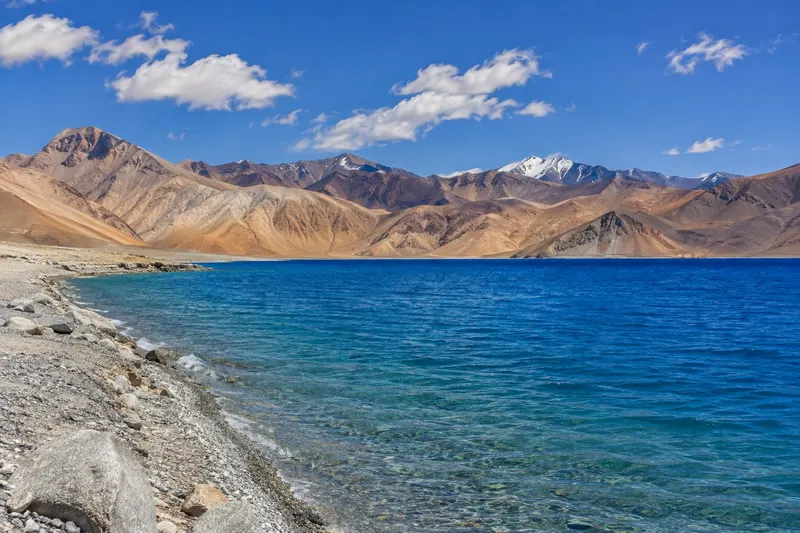
June to September
Roads open in summer; very cold otherwise.
Plan a Ladakh journeyAlways confirm park opening dates and road conditions when planning, as they can change from year to year.
For classic sightseeing, choose November to February for the Golden Triangle and Rajasthan.
October to March for palace hotels, lake-view dinners in Udaipur and private heritage experiences.
Plan for the dry months, when animals gather near water and visibility is better.
The monsoon months in Kerala are traditionally favoured for Ayurveda treatments.
Cooler months make long days of sightseeing more comfortable for all ages.
Shoulder months such as early October, late February and March can offer a calmer pace with good weather, though hotter conditions arrive soon after.
December to February
The most reliable weather but also the busiest monuments and the highest demand for the best hotels. Book 6 to 9 months ahead.
October, November, March
Often balances good weather with slightly fewer crowds.
April to September
Can mean lower rates and quieter hotels, but heat or rain requires a different style of itinerary: more early starts, more rest and more indoor experiences.
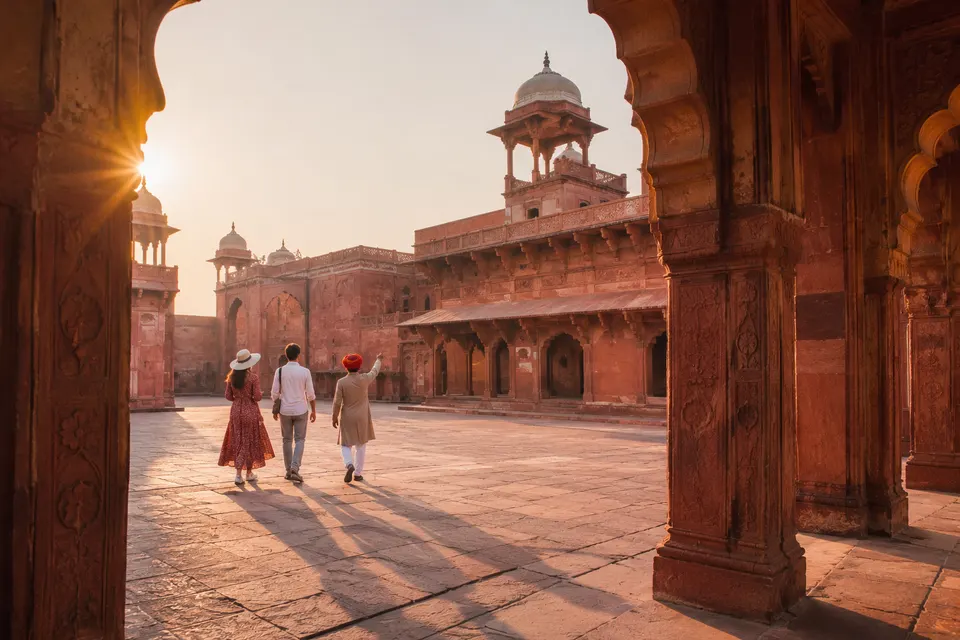
On a private journey, your itinerary can flex around the season.
We may schedule sunrise visits to avoid heat and crowds, build in a long lunch and rest at a heritage hotel on hot days, or choose a lakeside stay in Udaipur over a longer desert drive. This kind of tailoring is one of the greatest advantages of travelling with a private driver and guide.
November and February are often considered the sweet spots for the Golden Triangle and Rajasthan, offering comfortable temperatures and bright, clear days.
There is no truly bad time, only a mismatch between season and destination. May and June are very hot in the plains, and monsoon rains can disrupt travel in some regions. Both can still suit particular itineraries.
Yes, for the right journey. Kerala wellness retreats and green landscapes can be rewarding, but it is not ideal for the classic Rajasthan circuit.
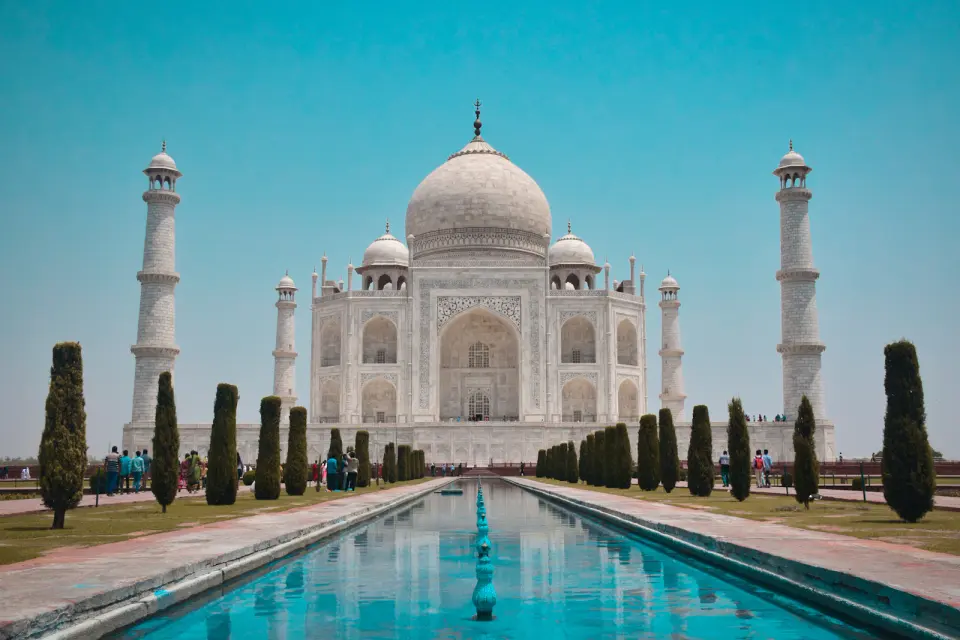
October to March for the most comfortable weather. Sunrise visits are popular year-round. Remember it is closed on Fridays.
For peak season, 6 to 9 months ahead. For other months, 3 to 4 months is usually sufficient.
More answers on visas, safety, food and transport are in our India travel FAQ.
Tell us when you hope to travel, and we will help you choose the regions, hotels and pace that suit that time of year. Every itinerary is private, personally planned and entirely yours.
Weather, festival dates, park openings and visa requirements change. We review this guide each year.